
Innovation thrives on collaboration: Nuremberg-based start-ups are helping to shape the future of robotics
Innovations rarely arise in isolation. They develop where different areas of expertise come together, new ideas emerge and companies benefit from one another. One such place is the NKubator at the Auf AEG site in Nuremberg. Here, start-ups develop and scale up solutions for a wide variety of application areas – from the automation of research processes to humanoid robotics and autonomous AI systems.
The young technology companies SCIPRIOS, isento and Nouma Autonomy demonstrate just how diverse innovation is in the Nuremberg metropolitan region. Although they each have different areas of focus, they are united by a common goal: to develop technologies that improve processes, enable new applications and accelerate the transfer of innovations into practice.
Accelerating research through laboratory automation
The journey from a scientific idea to industrial application is often long and complex. SCIPRIOS develops fully automated laboratory robots and software solutions that make processes in materials development and energy research faster, more precise and more reproducible.
The scale-up supports research institutions and industry partners in developing new materials and technologies more efficiently – for example, for printed photovoltaics, next-generation solar cells or other sustainable energy technologies. Automated laboratory processes enable experiments to be carried out systematically, development cycles to be shortened and new materials to be optimised more quickly.
With its solutions, SCIPRIOS combines robotics, software and research. In doing so, the company lays an important foundation for turning scientific findings into marketable innovations more quickly.
Making humanoid robotics accessible to more people
Robotics has the potential not only to transform research and industry, but also to create new opportunities for learning, development and participation. isento develops bespoke software and AI solutions for businesses and supports them in digitising their business processes. With the ‘printable intelligent bot’ (pib), the company is contributing its technological expertise to an innovative open-source robotics project, with the aim of making humanoid robotics accessible to as many people as possible.
pib is a humanoid robot whose components can largely be produced using a 3D printer. Research and educational institutions, as well as businesses, can assemble the robot themselves, expand its capabilities and adapt it to their specific requirements.
With its modular design, pib combines modern robotics with the opportunities offered by open-source technology. This creates a platform for research, education and industry to learn, experiment and develop further, which makes access to robotics easier in the long term and inspires new target groups to embrace future technologies.
Autonomous systems for complex operational scenarios
Nouma Autonomy forms another building block of the regional innovation ecosystem. The start-up develops AI-based autonomy for unmanned aerial and ground systems. This combines mission understanding with local environmental perception and enables complex decisions to be made directly on board, even without reliable GPS or a continuous radio link.
The systems recognise relevant objects and situations and use this information to determine the next steps. This enables them to carry out search and reconnaissance tasks more independently, for example when searching for people in hard-to-reach areas. In industry, too, this approach opens up new possibilities for demanding testing and monitoring tasks.
With funding from the Federal Agency for Breakthrough Innovations (SPRIND), Nouma Autonomy developed and tested the technology in the ‘Fully Autonomous Flight 2.0’ competition. With this approach, Nouma Autonomy is expanding the possibilities of modern robotics: unmanned systems are being transformed into intelligent, mission-capable platforms that remain operational even under difficult conditions.
Diversity as a strength of the innovation ecosystem
For such innovations to emerge and flourish, an environment is needed that fosters networking and offers young companies opportunities for development. The NKubator at the Auf AEG site supports start-ups in further developing their technologies, establishing links with the research and business communities, and charting the path from idea to application.
“Robotics is an example of just how important it is to bring together different areas of expertise – from technology and research to entrepreneurial thinking. This is precisely why, with the NKubator, we are creating a space where innovative ideas can emerge and be further developed,” says Andrea Sieglitz-Hoepffner, Head of the NKubator.
The examples of SCIPRIOS, pib and Nouma Autonomy show that the region’s innovative strength thrives on its diversity. Different technologies, perspectives and areas of expertise complement one another and, together, help to develop solutions to the challenges of tomorrow.
NKubator
The NKubator is an innovation and start-up centre for energy, green tech and sustainability, supporting technology-focused start-ups and new businesses. In partnership with the City of Nuremberg and Friedrich-Alexander University Erlangen-Nuremberg, it provides a space for innovation and entrepreneurship in the region. The NKubator is a project of ENERGIEregion Nürnberg.
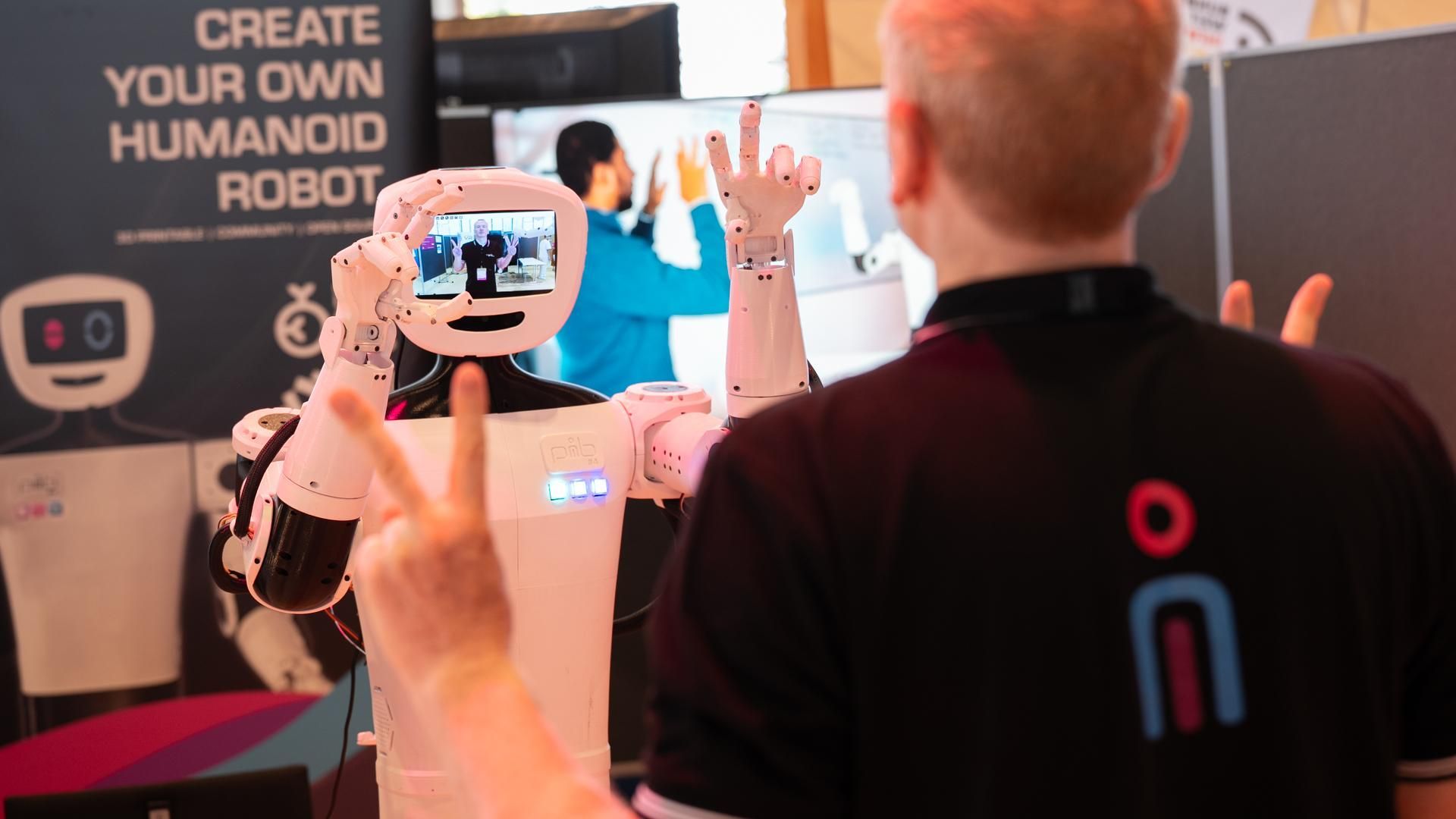
© Isento
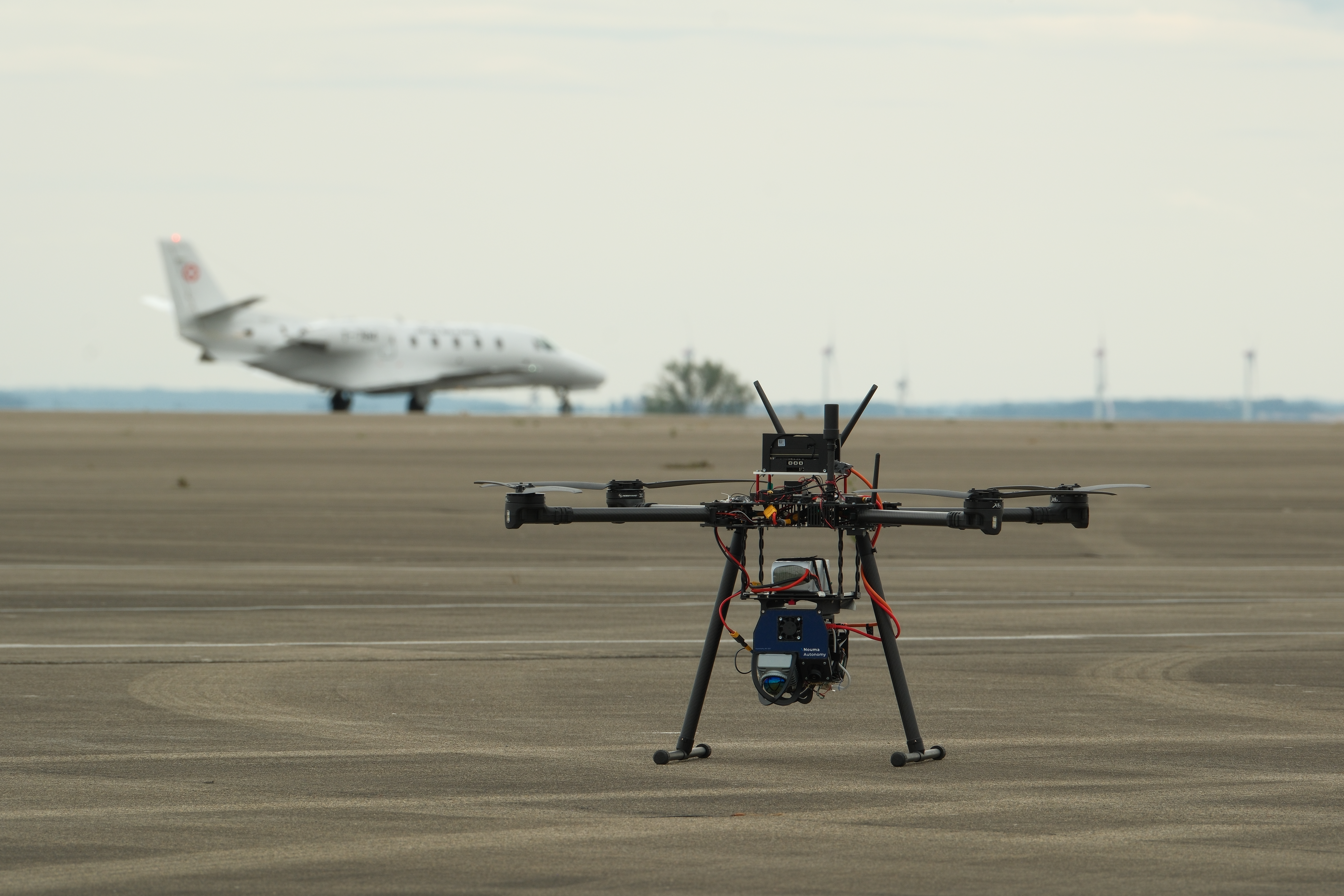
© Nouma Autonomy
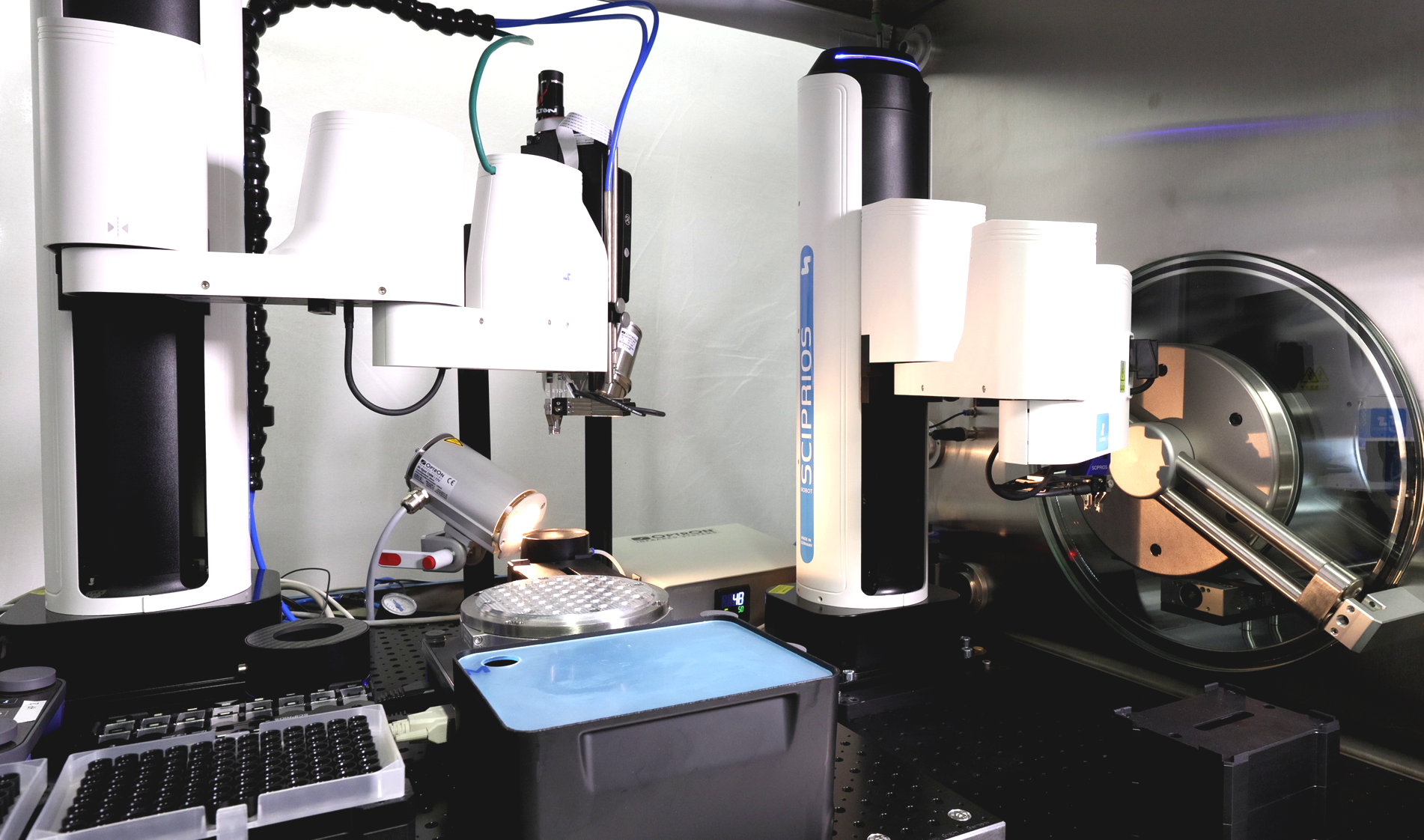
© SCIPRIOS