
DENSE-BAVARIA: Early detection of breast cancer using AI
DENSE-BAVARIA is researching innovative methods for the early detection of breast cancer and diseases of the central cardiovascular system.
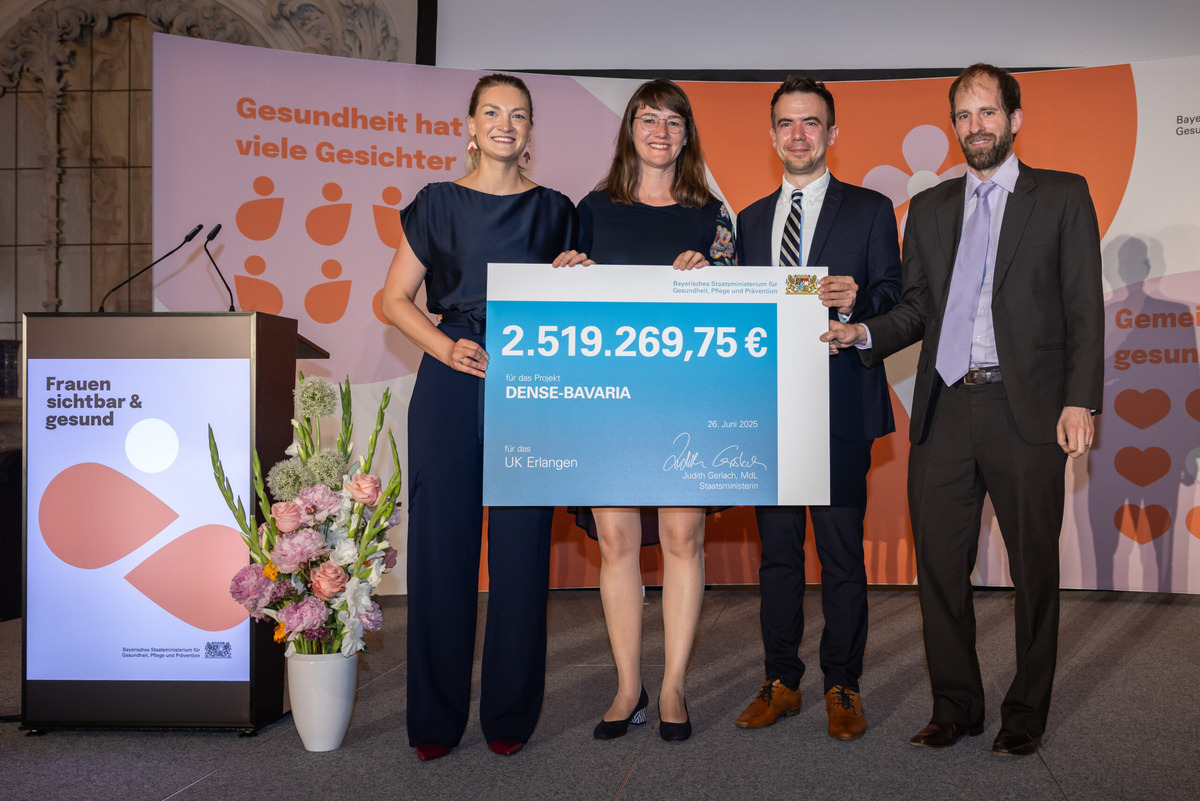
DENSE-BAVARIA is a study conducted by the Institute of Radiology at Erlangen University Hospital (Director: Prof. Dr. med. Michael Uder) and focuses on the early detection of breast cancer and diseases of the central cardiovascular system in women with dense or very dense breast tissue. The research project is funded by the Bavarian State Ministry of Health, Care and Prevention as part of the Bavarian funding programme “Women’s Health and AI”.
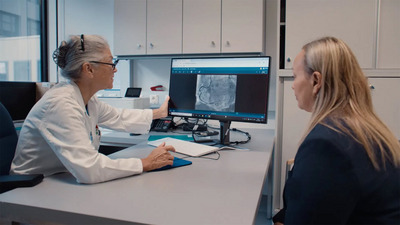
DENSE-BAVARIA is researching innovative methods with the aim of improving the early detection of breast cancer and diseases of the central cardiovascular system – the two most common non-communicable diseases among women. Currently, women aged between 50 and 75 are offered a mammogram every two years as part of breast cancer screening. However, some of these women have dense or very dense breast tissue, which significantly reduces the sensitivity of mammography for breast cancer detection. At the same time, women with dense breasts are at a higher risk of developing breast cancer. For them, an examination using magnetic resonance imaging (MRI) would be beneficial; however, this currently involves the administration of contrast agents. However, the use of contrast agents in early detection presents challenges and can cause unwanted side effects. Furthermore, MRI is time-consuming and costly, which is why it has not yet been routinely used in early detection.
The objectives of the research project are:
- to specifically improve existing MRI screening methods using artificial intelligence (AI)
- to identify risks at an early stage
- to enhance the patient experience for participants
Thanks to modern technologies, including AI, the MRI scans in the study can be carried out without contrast agents. At the same time, research is being conducted to determine whether the analysis of the images can support the early detection of diseases of the central cardiovascular system – without the need for any additional examinations.
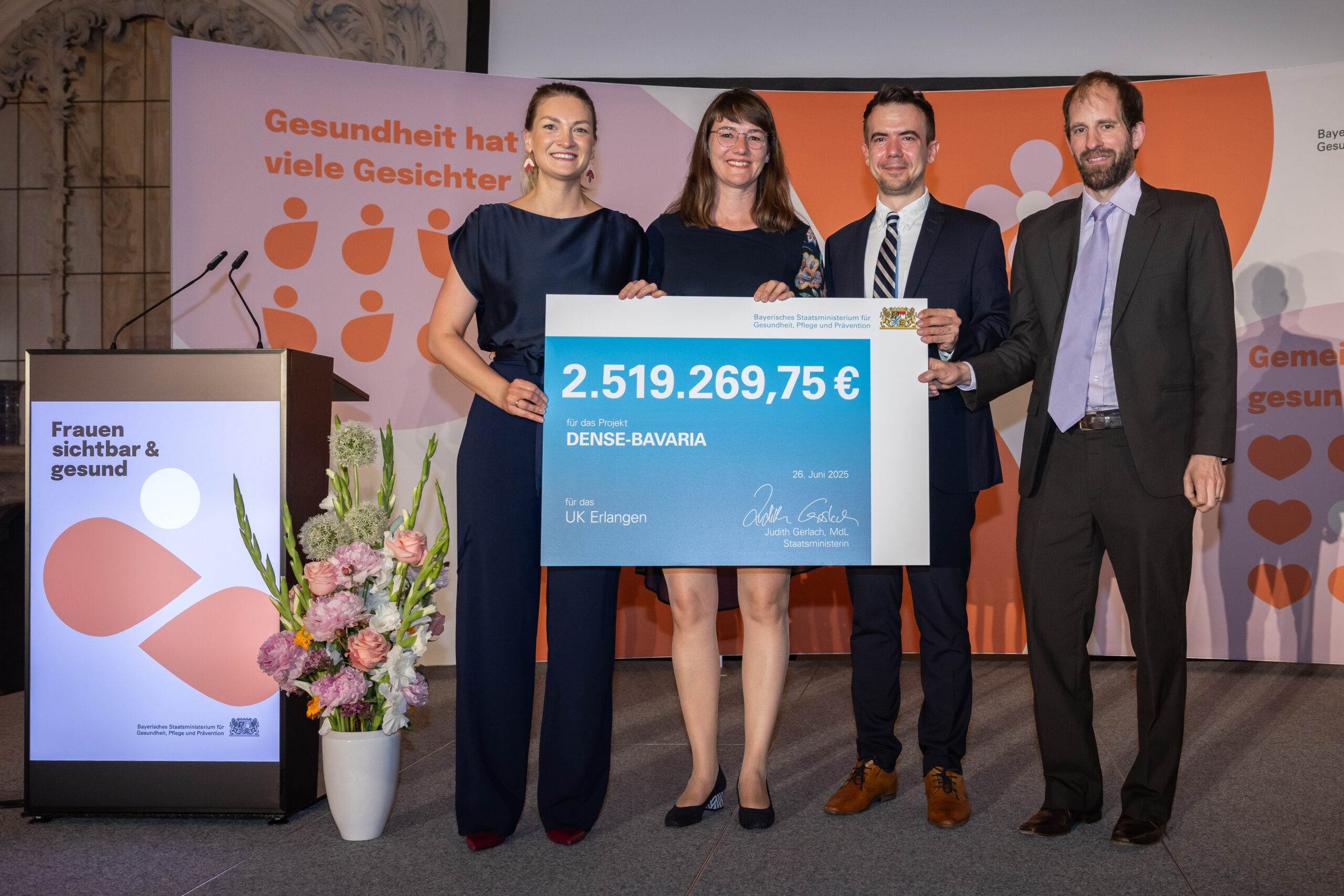
© Bayerisches Staatsministerium für Gesundheit, Pflege und Prävention

© DENSE-BAVARIA